
A Family Guide to Dojang Etiquette
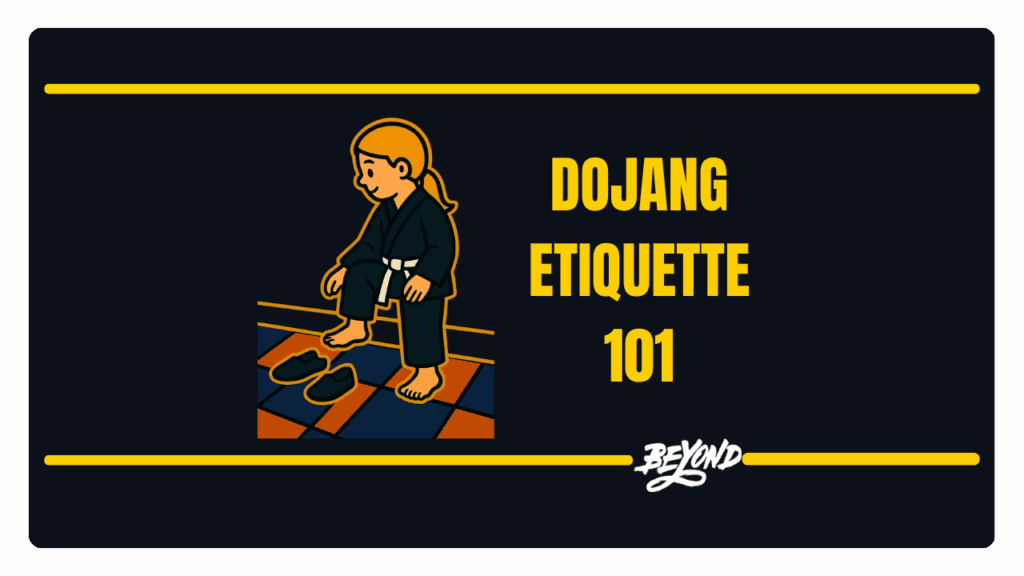 Walking into a Taekwondo dojang for the first time can feel exciting and a little uncertain. What do you wear? When do you bow? How do you help your child become their best-self without distracting the class?
This guide gives you the real-world etiquette most martial arts schools expect. You’ll learn what to bring, how to enter and leave the mat, the core values your child will hear every week, and simple parent tips that make every class just a little bit easier.
Keep this open on your phone during your first month of classes. Share it with your child so you both feel ready on day one.
Walking into a Taekwondo dojang for the first time can feel exciting and a little uncertain. What do you wear? When do you bow? How do you help your child become their best-self without distracting the class?
This guide gives you the real-world etiquette most martial arts schools expect. You’ll learn what to bring, how to enter and leave the mat, the core values your child will hear every week, and simple parent tips that make every class just a little bit easier.
Keep this open on your phone during your first month of classes. Share it with your child so you both feel ready on day one.
Key Takeaway
- Bow in, arrive early, and keep the mat clean and quiet.
- Wear a clean dobok and belt, and remove shoes and jewelry.
- Follow the five tenets: courtesy, integrity, perseverance, self-control, and indomitable spirit.
- Use control in drills and wear required sparring gear, and parents support by watching quietly and praising effort.

What to Wear to the Dojang (Uniforms, Belts, Gear)
The most common thing is that schools ask students to train in a dobok (white Taekwondo uniform) with their current belt. They’ll want you to keep it clean, wrinkle-free, and tied securely. If your school allows trial students to start in athletic wear, then feel free to choose flexible pants and a fitted shirt with no zippers or metal. Remove shoes and socks before stepping on the mat. It’s part of martial-arts tradition and also keeps the training floor sanitary. Place shoes neatly where your school designates. Don’t wear these:- Watches
- Earrings
- Necklaces
- Rings
- Any piercings that could be snagged during sparring

The 5 Tenets of Taekwondo and Everyday Respect
Your child will hear the “five tenets” spoken about often.-
Courtesy (Ye Ui)
-
Integrity (Yom Chi)
-
Perseverance (In Nae)
-
Self-Control (Guk Gi)
-
Indomitable Spirit (Baekjul Boolgool)

Dojang (Dojo) Rules for Class
First, let’s learn the vocabulary. Dojang is the Korean term for training hall and dojo is the Japanese term. You’ll see both online. If your child studies Taekwondo, “dojang” is the right word. Here are common, easy-to-follow rules:- Arrive early enough to be in uniform and lined up before class starts. If you’re late, wait at the edge of the mat and ask to join so you don’t interrupt the class in session.
- Bow when entering and leaving the training area. Show a quick moment of respect for the art, your instructor, and your classmates.
- Phones silent, gum out, water off the mat. Small distractions spread fast in a kids’ class.
- Line up by rank when asked. Senior belts lead and beginners watch and follow. (Your school will show you where to stand.)
- Ask permission to leave the mat for the restroom or to tie your belt. Re-enter the same way with waiting and bowing in.

Mat Safety and Sparring Manners for Kids
Martial arts schools for taekwondo teach good manners as safety skills in disguise. Your child will learn to:- Master control before speed. We'll show them how light contact and precise movements keep training partners safe and build mutual trust.
- Respond instantly to commands. When they hear "Guman!" (stop) they'll freeze and reset their stance right away.
- Practice real sportsmanship. They'll tap gloves instead of talking trash, showing respect before and after every match.
- Gear up properly for sparring. Your child will always wear their headgear and mouthguard, plus the forearm guards, shin guards, hogu, and other protective equipment our school requires.
Frequently Asked Questions
What should I wear to a dojang? A clean dobok with your current belt. Remove shoes, socks, and jewelry before stepping on the mat. Keep nails trimmed and bring a water bottle. Trial students may wear flexible athletic clothing if your school allows it. What are the 5 rules (tenets) of Taekwondo? Courtesy, Integrity, Perseverance, Self-Control, and Indomitable Spirit. Schools worldwide teach these as the values behind the techniques. What are the rules of a dojo/dojang? Arrive on time, bow in and out, line up by rank, listen to instructors, ask before leaving the mat, keep the training area clean, and wear appropriate gear. These are common etiquette standards across many schools. What is “rule of 12 etiquette”? There isn’t a universal “Rule of 12” in Taekwondo etiquette. That phrase shows up in golf (a chipping guideline) and other hobbies, not in martial arts tradition. If you saw a headline with “12 etiquette rules,” it’s likely a school’s custom list, not an official Taekwondo standard. Why do we bow? Bowing is a quick, visible way to show respect to the art, the space, and one another. It also helps kids switch from “outside energy” to “training focus.” Many schools bow when entering/leaving and at the start/end of class. Why so much protective gear? Youth safety and good habits. WT competition rules require a full set of protectors; most schools mirror that standard in age-appropriate ways for practice. Dojang vs. dojo. What’s the difference? Same concept, different languages. Dojang is Korean and dojo is Japanese. If your child does Taekwondo, the space is a dojang.
Parent Etiquette: Watching Class and Helping at Home
Choose a nice quiet seat. Coaches need kids’ eyes and ears. Cheer effort, but save corrections for after class unless your instructor invites parent involvement. Let the instructor coach the students. If your child looks frustrated, model calm support. The tenets are built through challenge, not perfection every class Reinforce routines at home. Help your child pack their bag, hang and air out gear, and fold their dobok. (Cleanliness and readiness are part of courtesy.) Use the same words they hear in class. Try “Charyot” (attention) and “Kyeong-rae” (bow) as fun practice at home so those commands feel familiar. Celebrate all the small wins. Tying the belt the right way, remembering to bow in, or showing self-control in partner drills are all worth praise.
Conclusion
Good etiquette involves building a respectful place where your child learns to focus, keep calm under pressure, and treat people well. Show up prepared, and follow the five tenets, and you’ll feel the best part of Taekwondo which is character growth week after week. Martial arts training in Burbank? Beyond Martial Arts is a community favorite and a myBurbank’s Best 2025 winner for “Martial Arts Studio.” Families across the city voted them to the top, and their site highlights that recognition, too. If you want a friendly studio with strong values, check them out and see why Burbank parents recommend themReady to Get Started?
Claim your free trial class at Beyond Martial Arts in Burbank and see how our program can help your family.
CLAIM FREE TRIAL CLASS